

In the fast-paced world of social media, TikTok has emerged as a dominant force for creators, offering a platform to showcase innovative ideas and engage with audiences in live through live broadcasts. However, if you're a fan of the colorful content that fill your timeline, you may have noticed that these streams often disappear after a short period. For many spectators, the moments shared during these live broadcasts are worth cherishing, which presents an important issue: how can you save TikTok VODs before they are gone?
This manual is designed for those who wish to capture and store their beloved TikTok Live events. Irrespective of whether you are a content creator with a personal broadcasting setup equipped with a high-quality production desk, microphone, and recording system, or simply someone who enjoys viewing these engaging streams on your computer or mobile device, understanding how to capture these videos is crucial. With a few simple techniques and resources, you can create your own virtual video library and make sure that your most cherished memories are safely kept in the cloud for later enjoyment. Let's dive into the best methods for saving TikTok VODs and keeping those unforgettable moments.
Setting Up Your Broadcasting Desk
Creating an efficient streaming desk is important for any content creator aiming to create high-quality TikTok VODs. Begin by picking a roomy and organized workspace that can hold all your necessary equipment. A solid desk is vital, as it needs to support your computer, a monitor for video recording, and any extra devices. Be certain to set your microphone close to your recording area to ensure clear audio, which is a critical factor in engaging your audience.
Afterward, put money in a comfortable and ergonomic chair that allows you to maintain concentration during long streaming sessions. A well-designed setup like this not only enhances productivity but also encourages creativity. Incorporate a headset and microphone setup to enhance audio quality during your live streams, as this can result in a major difference in your viewers' experience. Think about incorporating a ring light to enhance your on-camera appearance; good lighting can elevate the overall quality of your vertical videos.
Finally, make sure you have adequate cloud storage and backup solutions in position before you start streaming. This is vital for archiving files to the cloud, permitting you to safely store your content. Whether you are capturing footage on a laptop or a mobile device, possessing a digital video library facilitates it easy to access and handle your content later. Spend time in organizing your home streaming studio, as a well-organized and intelligently arranged space will lead to a higher efficiency content creation process.
Essentials for Live Streaming
In order to establish an efficient live streaming setup, the suitable streaming desk with a microphone is essential. This desk should provide plenty of space for your equipment, such as your computer and streaming accessories. An high-quality microphone is vital for crisp audio, as it is one key essential aspects of holding your audience. Purchasing an excellent microphone enables your viewers to connect better with your content, enhancing your streams more enjoyable.
In addition to audio, visual presentation plays a significant role in live streaming. An home streaming studio should include good lighting and a background that boosts your video quality. Think about using a phone with a ring light for mobile content filming, as this setup maximizes lighting for better visual results. Having a digital video library becomes useful here, as organizing your streaming content visually helps when referencing previous material.
Lastly, making sure you have the right software for screen recording on your monitor is essential. This allows you to capture and save your streams before they are deleted. Using cloud storage and backup methods will help keep your content secure and accessible. Using tools like an online video player interface, viewers can engage with the content later, and you can have confidence knowing your files are saved correctly.
Capturing and Storing VODs
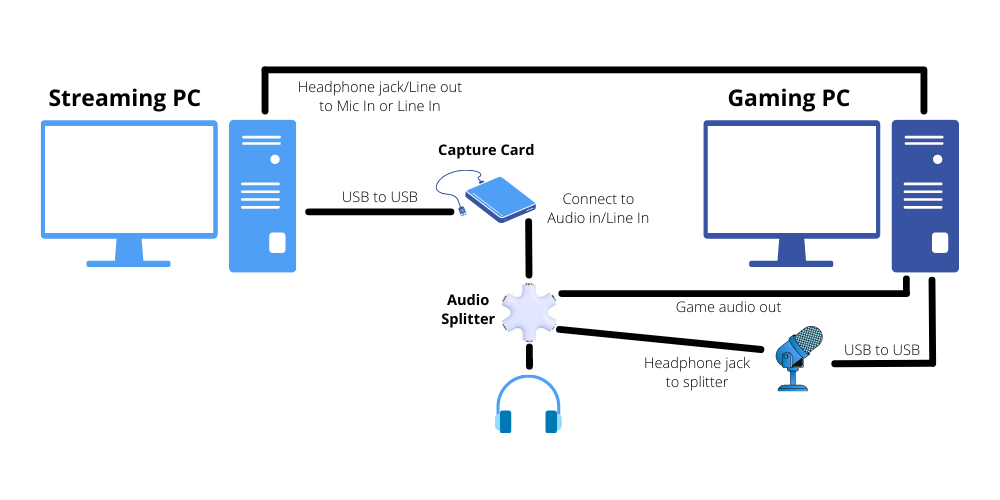
To ensure that your TikTok VODs are safely saved, it's essential to set up your live streaming environment effectively. Start by building a home streaming studio that includes your streaming desk with a microphone and a computer loaded with screen recording software. This enables you to record your live sessions live, guaranteeing you have a clear recording of your content. Take benefit of your available tools, such as a headset and microphone setup, to enhance your audio quality, making the viewing experience much more enjoyable for your viewers.
Once you've recorded your VODs, the next step is to save these videos securely. Utilize cloud storage and backup solutions to store your files safely. By uploading files to the cloud, you minimize the risk of losing track of your content due to device malfunctions or unintentional deletions. Services like Google Drive or Dropbox can help you create a virtual video library, making it easy to access and manage your recordings for future use, be it for repurposing or sharing with your followers.
Finally, after storing your VODs in the cloud, ensure you consistently check and organize your content. Save TikTok without software involves reviewing your online video player interface to maintain a clean layout, making it easier for both you and your viewers to find specific streams effortlessly. Regardless of whether you are watching streams on your phone or organizing them through your computer, having a well-maintained library is essential for any content creator. Remain proactive in overseeing your recordings so you won't miss an chance to engage with your viewers through your previous live streams.
Online Storage Services
As you think about storing the TikTok VODs, utilizing cloud storage solutions is important for protecting the content. Services like Dropbox , and Google Drive offer ample space and easy accessibility, allowing you to swiftly upload the videos immediately after you finish streaming . In this manner, the recorded material is safe against unintentional deletion or erasure. Make sure you opt for a service that offers you enough storage for every of the creations and allows you to distribute files easily with collaborators or fans .
Alongside traditional cloud storage, consider platforms designed specifically for video. Services such as Brightcove cater to content creators by offering customized features for video playback, embedding, and sharing. These platforms not only keep the VODs but also provide tools to better manage the digital video library. An online video player interface improves the viewing experience for the audience when sharing the content, making it visually pleasing and accessible .
Ultimately , always verify you have a backup strategy in place. Using various cloud services or merging cloud storage with local backups can offer an extra layer of security. Regularly review your saved files and organize them by name or by date for quick retrieval. This method not only helps you keep track of your work but also saves time when you need to access or share the videos with viewers while they are still trending.
Creating Your Digital Film Archives
Creating a digital film library is essential for every video creator wanting to archiving their projects and ensure access to their beloved videos. To start, organize your files in an organized manner. Create a directory on your cloud platform dedicated to TikTok video on demand, and within that directory, create subfolders categorized by content type or time. This will not only help you easily retrieve your content but also maintain your digital space neat.
Putting resources in a solid home broadcasting studio configuration can additionally enhance your film collection. Using a streaming table with a microphone, high-quality video camera, and adequate lighting will boost the quality of your videos. When you capture your streams, ensure that you save these sessions directly to your computer or upload them to your cloud storage. This act of uploading data to the cloud secures your material against potential deletions and keeps your library up to date.
In conclusion, take advantage of tools like recording applications or dedicated apps that facilitate the storage process. This can be especially helpful for mobile content filming, allowing you to record streams straight from your phone or laptop. Regularly viewing streams on your devices can remind you of the material valuable saving, making it simpler to manage and manage your digital film collection for future consultation. A well-maintained collection means having a trustworthy repository of your creativity at your disposal.